A falling checkout completion rate looked like a job for our flagship initiatives. Diagnostics said otherwise. The money was leaking from a step nobody was looking at.
Checkout completion was sliding. On a £2.2B platform, a fractional drop in the funnel's most valuable step is real money walking out the door, but a falling metric tells you nothing about why. The team already had two big-bet checkout initiatives queued that would have addressed the visible symptoms. The open question was whether those bets were aimed at the actual leak.
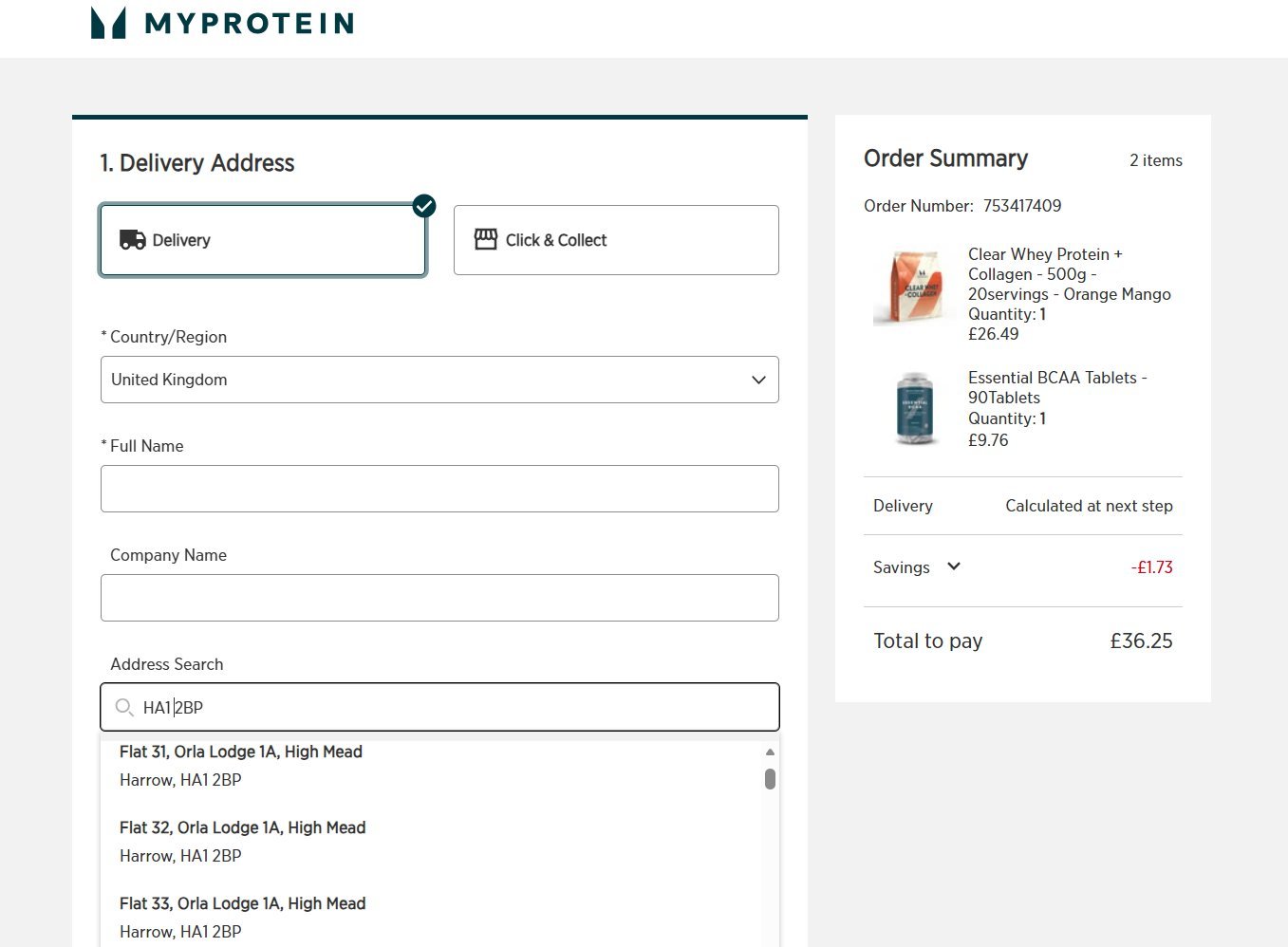
I worked the metric from first principles before proposing any fix. First, was the drop even real, or an artifact of a tracking or attribution change? Once confirmed real, I characterised its shape: a gradual slope points to a slow behavioural or mix shift, a sharp step points to a release or a break. Then I segmented around it, slicing by device, brand, and funnel step to localise where completion was actually failing. Only then did I form hypotheses, and the data kept pointing at one place: the address sequencing logic was quietly failing users mid-flow.
Engineering time was the constraint, and an address-sequencing fix is the least glamorous thing you can put on a roadmap next to flagship checkout bets. I made the case that the highest-leverage move was the invisible leak, not the visible feature, and partnered with Business Intelligence to size it precisely so the argument rested on expected completion recovery rather than whose idea sounded better. Then I turned the diagnosis into testable requirements, reworked the sequencing, field ordering, and autocomplete to match how people actually enter an address, and validated it as a controlled A/B test on two smaller brands before scaling to the high-traffic ones.
We were about to spend our biggest bets papering over a symptom. Filling the leak from behind turned out to be as valuable as the bet out front, and cheaper. A clean 1.7% on completion, proven causally on a £2.2B platform, outweighs most feature launches, and it only surfaced because we diagnosed the funnel instead of trusting the roadmap.